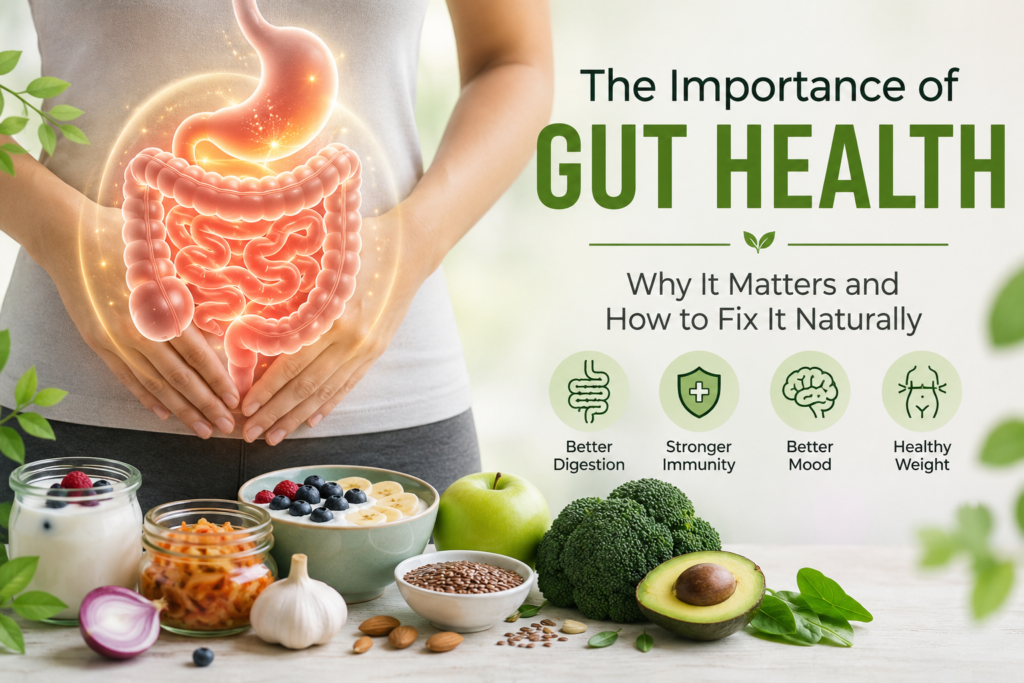
Health begins in the gut
The saying, “Health begins in the gut,” has never been more relevant. Modern scientific research continues to reveal that the gut is much more than a digestive organ—it is a complex ecosystem that influences immunity, mental health, metabolism, hormone regulation, skin health, and overall well-being.
Unfortunately, modern lifestyles characterized by processed foods, chronic stress, poor sleep, excessive antibiotic use, and sedentary habits have contributed to an increase in gut-related disorders. Many people experience bloating, acidity, constipation, fatigue, food intolerances, and recurring illnesses without realizing that poor gut health may be the underlying cause.
The good news is that the gut has an incredible ability to heal when given the right support. By understanding how the digestive system works and adopting healthy lifestyle practices, you can significantly improve your overall health.
In this article, we’ll explore what gut health means, why it is essential, signs of an unhealthy gut, and practical, evidence-based ways to restore and maintain a healthy digestive system.
What Is Gut Health?
Gut health refers to the balance and proper functioning of the gastrointestinal (GI) tract, particularly the community of trillions of microorganisms—known as the gut microbiome—that live primarily in the large intestine.
These microorganisms include:
- Beneficial bacteria
- Fungi
- Viruses
- Other microbes
While the idea of bacteria often sounds harmful, the majority of these microorganisms are beneficial and essential for good health.
A healthy gut microbiome helps:
- Digest food efficiently
- Produce essential vitamins
- Support immune function
- Protect against harmful bacteria
- Regulate metabolism
- Communicate with the brain through the gut-brain axis
When this delicate balance is disrupted, harmful bacteria can outnumber beneficial bacteria, leading to inflammation, digestive disorders, and various chronic health conditions.
Why Is Gut Health So Important?
1. Supports Healthy Digestion
The primary role of the digestive system is to break down food into nutrients your body can absorb.
A healthy gut helps:
- Digest carbohydrates, proteins, and fats efficiently
- Absorb vitamins and minerals
- Reduce bloating and gas
- Prevent constipation and diarrhea
- Promote regular bowel movements
Poor gut health often results in indigestion, abdominal discomfort, and nutrient deficiencies.
2. Strengthens the Immune System
Did you know that approximately 70% of the body’s immune system resides in the gut?
The gut acts as a protective barrier against harmful pathogens while supporting the production of immune cells that defend the body against infections.
When gut health is compromised:
- Immunity weakens
- Inflammation increases
- Allergies become more common
- Frequent infections may occur
Maintaining a healthy microbiome helps regulate immune responses and reduces unnecessary inflammation.
3. Improves Mental Health
The gut and brain communicate continuously through what scientists call the gut-brain axis.
Gut bacteria produce several important neurotransmitters, including:
- Serotonin
- Dopamine
- Gamma-aminobutyric acid (GABA)
Interestingly, around 90% of serotonin, the neurotransmitter associated with mood and emotional well-being, is produced in the gut.
An unhealthy gut has been linked to:
- Anxiety
- Depression
- Brain fog
- Mood swings
- Poor concentration
Supporting gut health often has positive effects on emotional and cognitive well-being.
4. Reduces Chronic Inflammation
An unhealthy gut lining may become overly permeable—a condition commonly referred to as “leaky gut.” This may allow unwanted substances to cross into the bloodstream, triggering immune responses and inflammation.
Chronic inflammation has been associated with:
- Type 2 diabetes
- Heart disease
- Arthritis
- Autoimmune disorders
- Obesity
Reducing gut inflammation may help lower the risk of many chronic diseases.
5. Helps Maintain a Healthy Weight
Your gut microbiome influences how your body:
- Stores fat
- Uses energy
- Regulates hunger hormones
- Controls blood sugar
An imbalance in gut bacteria has been linked to obesity and metabolic disorders.
A healthy microbiome may improve metabolism and support sustainable weight management alongside a balanced diet and regular physical activity.
6. Supports Skin Health
Skin conditions often reflect what’s happening inside the digestive system.
Poor gut health may contribute to:
- Acne
- Rosacea
- Eczema
- Psoriasis
Reducing gut inflammation and improving digestion often leads to healthier, clearer skin over time.
7. Enhances Nutrient Absorption
Even the healthiest diet cannot provide maximum benefits if your digestive system cannot absorb nutrients effectively.
A healthy gut helps absorb:
- Iron
- Calcium
- Magnesium
- Zinc
- Vitamin B12
- Vitamin D
- Folate
Improved nutrient absorption supports stronger bones, healthy muscles, better energy levels, and overall vitality.
Signs of Poor Gut Health
Many symptoms can indicate an unhealthy digestive system.
Common signs include:
- Frequent bloating
- Excessive gas
- Constipation
- Diarrhea
- Acid reflux
- Indigestion
- Food intolerances
- Fatigue
- Poor sleep
- Frequent illness
- Skin problems
- Bad breath
- Brain fog
- Sugar cravings
- Mood changes
Persistent symptoms should always be evaluated by a qualified healthcare professional to identify any underlying medical conditions.
Common Causes of Poor Gut Health
Several lifestyle factors can disturb the balance of the gut microbiome.
These include:
- Highly processed foods
- Excess sugar intake
- Low-fibre diets
- Excessive alcohol consumption
- Smoking
- Chronic stress
- Poor sleep
- Lack of exercise
- Frequent antibiotic use
- Certain medications
- Dehydration
Fortunately, many of these factors are modifiable through healthier daily habits.
Practical Ways to Improve Gut Health
1. Eat More Fibre-Rich Foods
Dietary fibre serves as food for beneficial gut bacteria.
Excellent sources include:
- Fruits
- Vegetables
- Whole grains
- Oats
- Lentils
- Beans
- Chickpeas
- Seeds
- Nuts
Aim to include a variety of colourful plant-based foods in your daily meals.
2. Include Fermented Foods
Fermented foods naturally contain beneficial bacteria that may support a healthy microbiome.
Examples include:
- Yogurt with live cultures
- Kefir
- Buttermilk
- Kimchi
- Sauerkraut
- Miso
- Tempeh
- Traditional fermented pickles
Choose products with live cultures and minimal added sugar.
3. Feed Good Bacteria with Prebiotics
Prebiotics are fibres that nourish beneficial gut bacteria.
Good sources include:
- Garlic
- Onion
- Banana
- Asparagus
- Chicory root
- Apples
- Oats
- Flaxseeds
Combining prebiotics with probiotic-rich foods creates an environment that supports long-term gut health.
4. Stay Hydrated
Water supports:
- Digestion
- Nutrient absorption
- Healthy bowel movements
- Mucosal lining of the intestines
Aim for adequate fluid intake throughout the day, adjusting based on climate, activity level, and individual needs.
5. Limit Ultra-Processed Foods
Highly processed foods often contain:
- Excess sugar
- Artificial sweeteners
- Refined carbohydrates
- Preservatives
- Unhealthy fats
These may negatively affect the diversity and balance of the gut microbiome.
Prioritize whole, minimally processed foods whenever possible.
6. Manage Stress
Stress directly affects digestion through the gut-brain connection.
Helpful stress-management techniques include:
- Meditation
- Yoga
- Deep breathing exercises
- Mindfulness
- Walking outdoors
- Journaling
- Spending time with loved ones
Reducing stress can improve digestion and support a healthier microbiome.
7. Prioritize Quality Sleep
Sleep deprivation disrupts both the gut microbiome and hormone regulation.
Adults should generally aim for 7–9 hours of quality sleep each night to support overall health.
8. Exercise Regularly
Regular physical activity encourages greater diversity of beneficial gut bacteria.
Aim for at least:
- 150 minutes of moderate-intensity exercise each week
Activities may include:
- Walking
- Cycling
- Swimming
- Strength training
- Yoga
Consistency matters more than intensity.
9. Use Antibiotics Responsibly
Antibiotics can be life-saving when prescribed appropriately, but they also reduce beneficial gut bacteria.
Only use antibiotics under medical supervision and avoid unnecessary use. If you’ve recently completed an antibiotic course, ask your healthcare provider whether dietary adjustments or probiotics may be appropriate.
10. Consider Probiotics When Appropriate
Probiotic supplements may benefit certain individuals, especially after antibiotic use or for specific digestive conditions. However, not all probiotic strains are the same, and their effectiveness depends on the health concern being addressed.
Consult a healthcare professional before starting supplements, particularly if you have underlying medical conditions or a weakened immune system.
Foods That Support Gut Health
Consider including these foods regularly:
- Fresh fruits
- Leafy green vegetables
- Whole grains
- Lentils
- Chickpeas
- Yogurt
- Kefir
- Nuts
- Seeds
- Olive oil
- Fatty fish rich in omega-3 fatty acids
- Herbs and spices such as turmeric and ginger
Eating a wide variety of plant-based foods encourages a more diverse and resilient gut microbiome.
When Should You Seek Medical Advice?
While lifestyle improvements can help many people, consult a healthcare professional if you experience:
- Persistent abdominal pain
- Blood in the stool
- Unexplained weight loss
- Chronic diarrhea
- Severe constipation
- Ongoing vomiting
- Difficulty swallowing
- Symptoms lasting several weeks
Early diagnosis and treatment can prevent complications and improve long-term outcomes.
Conclusion
Gut health is one of the strongest foundations of overall wellness. A healthy digestive system not only helps break down food but also supports immunity, mental well-being, metabolism, skin health, and protection against chronic disease.
Small, consistent changes—such as eating more fibre, including fermented foods, staying hydrated, exercising regularly, managing stress, and getting enough sleep—can have a profound impact on the health of your gut over time.
Rather than looking for quick fixes, focus on building sustainable daily habits that nourish your digestive system. By taking care of your gut, you’re investing in your long-term physical, mental, and emotional well-being.
A healthier gut today can pave the way for a healthier, more energetic, and more resilient tomorrow.